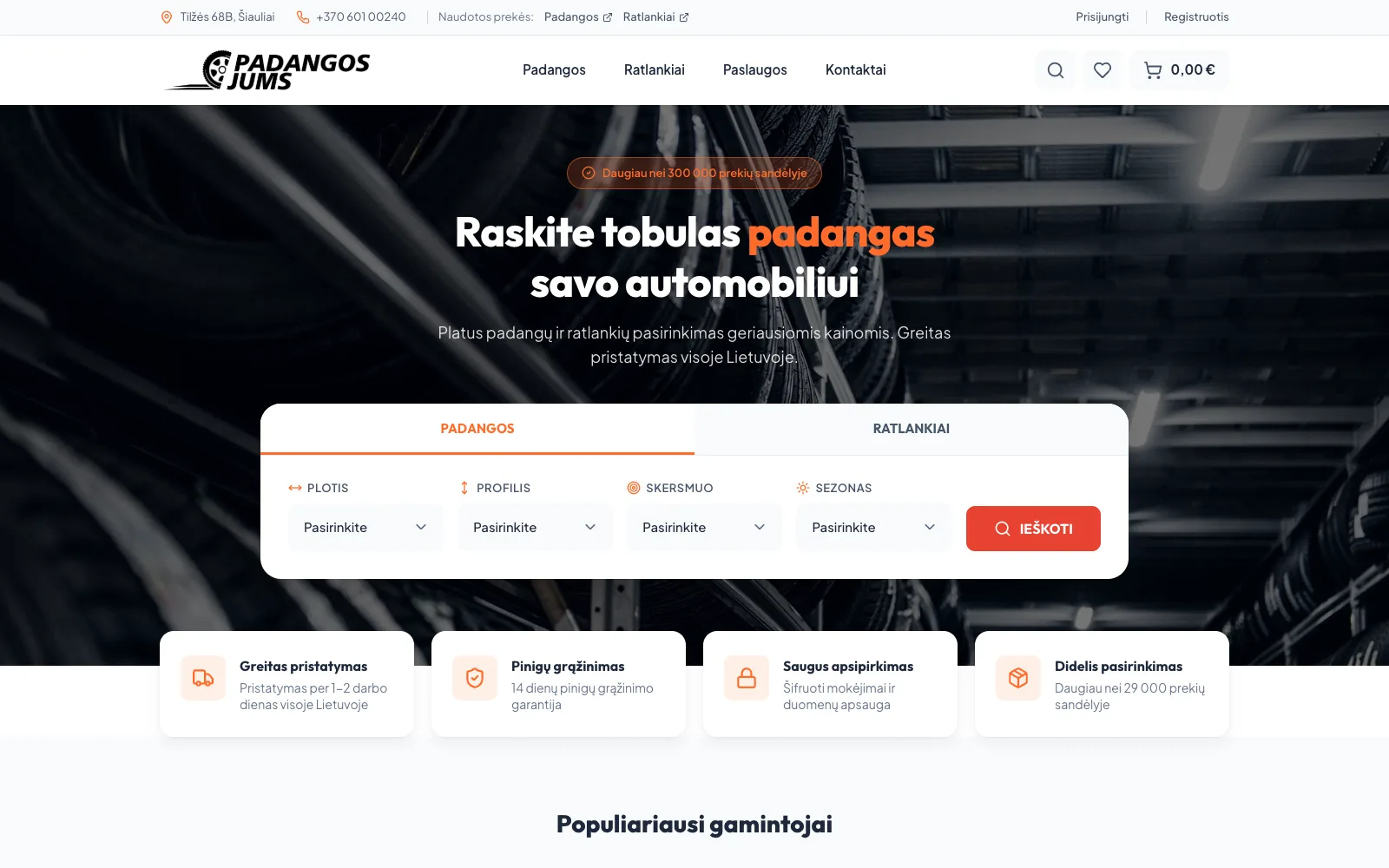
Tyre and wheel online store with supplier imports
A tyre and wheel store with supplier stock imports, parametric search and product comparison.
We connect what already works: accounting, CRM, online store, couriers and email. It is often the cheapest way to get rid of manual work.
System integration is the automatic transfer of data between two applications, replacing manual retyping. Business process automation goes a step further: it removes the task itself, with the system doing by rule what a person used to do.
An integration is the smallest project that delivers a visible result. It does not require changing any of your existing systems, and it saves manual work from day one. Often it is only after the first connection that it becomes clear which area deserves a larger investment in a system.
Not every process needs artificial intelligence. Tasks that can be described by rules are cheaper and more reliable to automate with conventional code. AI is useful where data is unstructured: reading invoices and documents, classifying emails, summarising texts. In these solutions we always keep a human approval step. When automation calls for a solution that acts on its own, we build AI agents.
We start with a short analysis: what data, in which direction, how often, and what happens in case of a conflict. Then we build the connection with an error log and retries, test it with real data and launch it while monitoring the first weeks. More about our process.
A connection through which two applications exchange data automatically. For example, an order placed in an online store automatically becomes an invoice in the accounting system, and the payment comes back to the store as a status. Nobody has to retype anything.
There are options: file exchange in an agreed format, a direct read connection to the database, an intermediate data layer or, as a last resort, automated control of the user interface. We choose based on what the vendor allows and what your contract with them permits.
A simple one-way connection to a well-built API usually takes from a few days to a couple of weeks. Two-way synchronisation with conflict resolution and historical data migration takes longer and is assessed separately.
In practice it means specific tasks: extracting data from documents, classifying and routing emails, drafting replies, summarising long texts. It is useful where work is repetitive and has a clear criterion for correctness, and where a person reviews the result.
Our integrations have an error log, automatic retries and notifications. Failed data exchanges are not lost: they stay in a queue and are processed once the connection is restored. The maintenance agreement specifies the response time.
A tyre and wheel store with supplier stock imports, parametric search and product comparison.
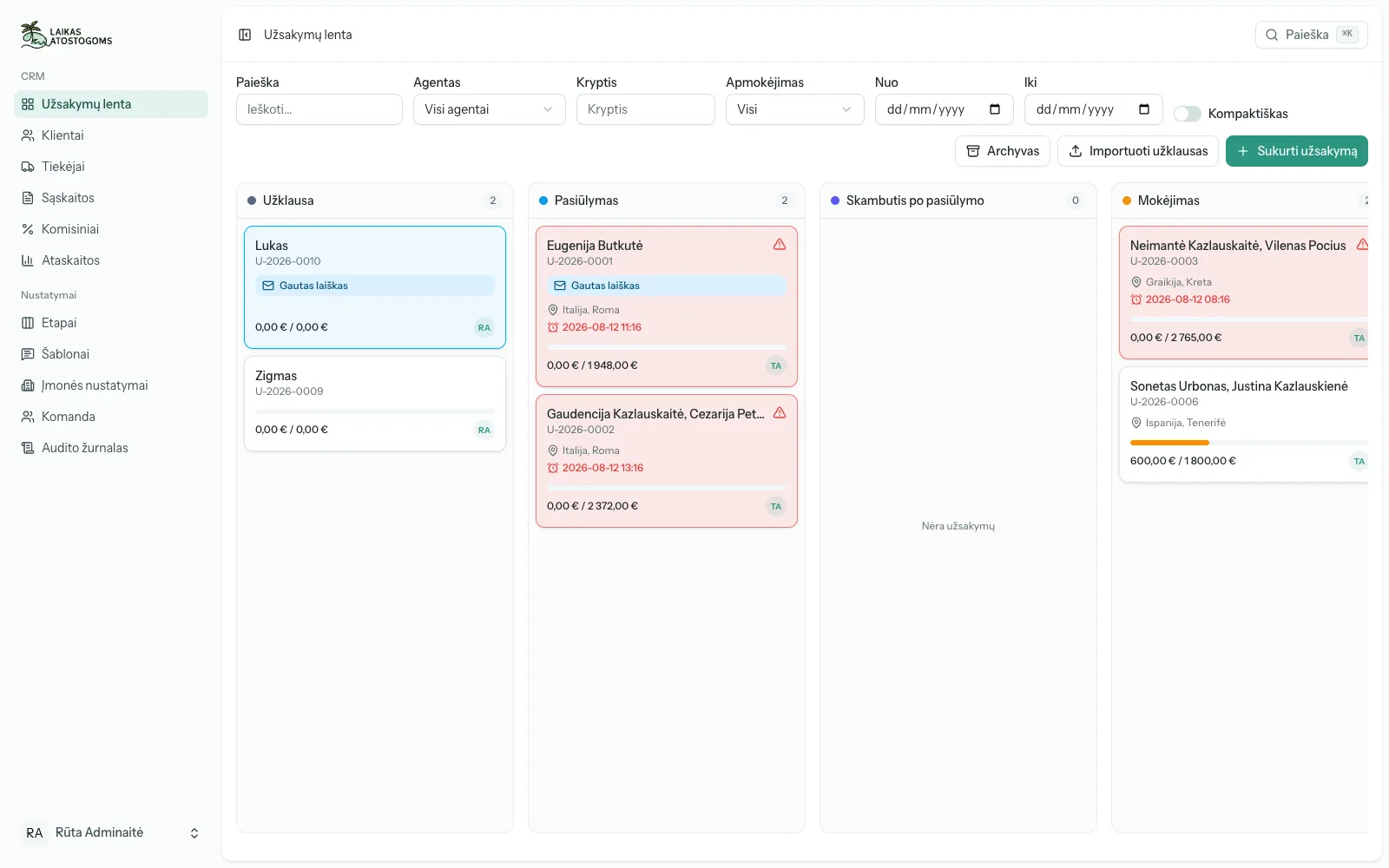
A booking board, client email, Paysera payments, invoices and AT01 reports in a single system for a travel agency.
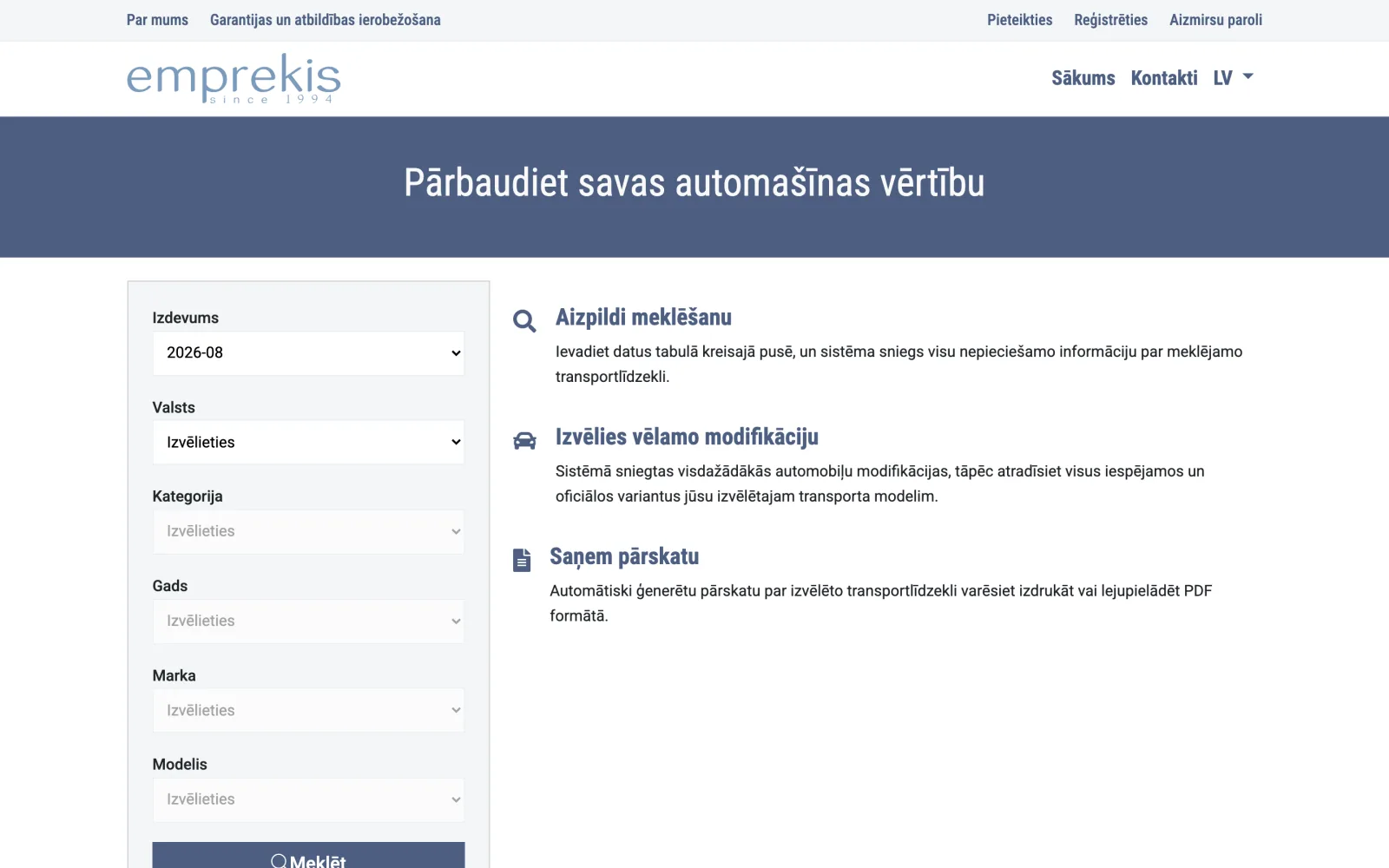
Report generation, purchases, invoicing and API access for partners.
Often a single connection is enough to save hours of manual work every week.
Or directly: info@desamedia.lt · +370 686 59999